
All games
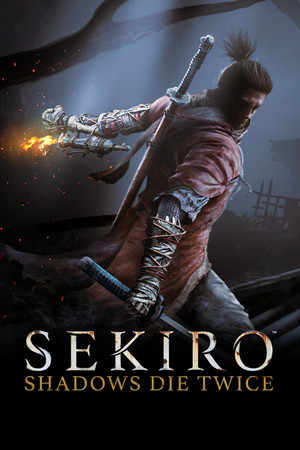
Sekiro: Shadows Die Twice
Verified on Mac
How to play Sekiro: Shadows Die Twice on Mac
Sekiro has no Mac build. It is single-player with no kernel anti-cheat, and it holds a Verified tier in our compatibility database on strong community evidence — we have not captured it on our own Macs yet. You need to own it on Steam.
Download & play Sekiro: Shadows Die TwiceWhat you need
- Sekiro: Shadows Die Twice, owned on your own Steam account
- Apple Silicon (M1 or newer)
- macOS 14+
- ~25 GB free
From Windows game to Mac launch
- 01
Install Pixel Port
Download Pixel Port and let it set up the runtime on first launch.
- 02
Add Sekiro
Find it in the catalogue and hit Install & Play, then let the large download finish.
- 03
Play
Expect some shader compilation on early runs before it settles.
More games that run on Mac
- The Elder Scrolls: Arena
The Elder Scrolls: Arena
- Lethal Company

Lethal Company
- Sekiro: Shadows Die Twice
Sekiro: Shadows Die Twice
Common questions
- Does Sekiro: Shadows Die Twice run on Mac?
- Sekiro has no Mac build. It is single-player with no kernel anti-cheat, and it holds a Verified tier in our compatibility database on strong community evidence — we have not captured it on our own Macs yet. You need to own it on Steam. Its current grade is verified for Apple Silicon Macs.
- Do I need to own Sekiro: Shadows Die Twice on Steam?
- Yes. Pixel Port does not sell, host, or distribute games. Sekiro: Shadows Die Twice downloads through Steam, to your own Steam account, exactly as it would on a PC — you need to own it there first. Pixel Port is the compatibility layer that runs the Windows build Steam delivers.
- Do I need Windows, Boot Camp, or a VM to play Sekiro: Shadows Die Twice on Mac?
- No. Pixel Port runs the Windows build of Sekiro: Shadows Die Twice directly on macOS — no Boot Camp partition, no virtual machine, and no Windows license.
- Which Macs can run Sekiro: Shadows Die Twice?
- Any Apple Silicon Mac — M1 through M4, MacBook Air to Mac Studio — on macOS 14 or later.